
Renting a vehicle in Pakistan is the first step towards an unforgettable journey through one of the most geographically diverse countries on earth. From the sprawling, humid megacity of Karachi in the south to the jagged, snow-capped peaks of the Karakoram range in the north, the terrain presents an assortment of natural wonders.
While trains and buses remain staples for the local population, international tourists and domestic travellers are increasingly opting to rent a car at Islamabad Airport and other hubs to maintain autonomy over their itineraries. Having a personal vehicle allows you to stop at roadside dhabas for tea or detour to hidden archaeological sites that public transport simply cannot reach.
However, to successfully drive through the country’s challenging landscapes, you need to pick a reliable vehicle. Choosing the best rental car in Pakistan is not merely a matter of finding the cheapest option; it is a strategic decision that affects your safety, comfort, and ability to reach the more remote corners of this historic land.
When searching for the best rental car in Pakistan, several technical factors will determine your comfort and safety. The country’s driving environment is unforgiving, particularly regarding road conditions and temperature.
One of the most important technical considerations is the engine type. While petrol is the standard for city driving, diesel engines are often preferred for long-distance mountain trekking due to their superior torque, which is essential when climbing steep gradients with a full load of passengers and gear. Furthermore, the thinning air at high altitudes in the north can sap engine performance, making turbocharged engines a highly desirable feature for those heading toward the Gilgit-Baltistan region.
You must choose between manual and automatic transmissions. While an automatic car is beneficial in the heavy, stop-start traffic of Karachi or Lahore, many seasoned drivers in the northern areas prefer a manual vehicle. This preference is rooted in the need for engine braking on long, steep descents, which prevents the brakes from overheating and failing. However, for those staying on the motorways, a modern automatic with a manual mode or paddle shifters can offer the best of both worlds.
When calculating capacity, you must account not only for the number of seats but also for the space of the boot. A car that feels spacious in a showroom can quickly become cramped once passengers add their luggage for a week-long trip. On long road trips in Pakistan, it is common to carry extra supplies, such as spare tyres, emergency kits, and significant quantities of bottled water. If you are travelling with a group of four or more, opting for a vehicle with a roof rack or a larger SUV is often the only way to ensure everyone has enough legroom to remain comfortable over eight-hour driving stretches.
Ground clearance is perhaps the most overlooked factor for travellers. Pakistani roads are notorious for high-speed breakers and occasional potholes in rural areas. A car with low clearance, such as a high-end sports sedan, will likely suffer undercarriage damage on a trip to the Kaghan Valley or even on some residential streets in major cities. Ensuring your vehicle can clear these obstacles is paramount to avoiding costly repair bills.
The air-conditioning system is a non-negotiable feature for any road trip in the country. In the summer months, temperatures in the Sindh and Punjab provinces regularly soar above 45°C. A vehicle with a weak cooling system is not just uncomfortable; it is a health risk. Always verify that the AC has been recently serviced and is powerful enough for the specific climate of your route before accepting the keys. It is also important to consider the AC load on the engine. In smaller cars, running the air conditioner on full power can significantly reduce the car's ability to climb steep hills.
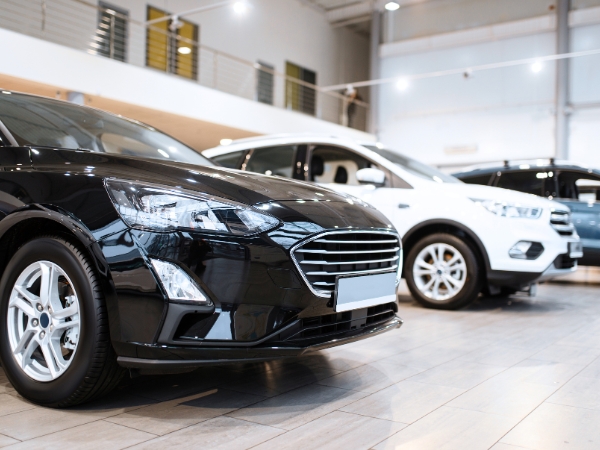
Every traveller and itinerary requires a different set of wheels. The best rental car in Pakistan for a solo city explorer will be vastly different from the one required by a family heading to the mountains. The best car is the one that suits your needs.
For solo travellers or couples focusing on an urban itinerary, small hatchbacks are the perfect fit. These vehicles are designed for the high-density traffic of Lahore's Walled City or the business districts of Karachi. Their primary advantage is the ability to navigate tight alleys and secure parking in crowded bazaars where a larger vehicle would be a liability. If you plan to hop between the historical monuments of the Salt Range and the motorways of central Punjab, these fuel-efficient models offer the lowest cost-per-kilometre.
The best rental car in Pakistan for families or small groups following the Grand Trunk Road itinerary is a mid-size sedan. These vehicles are the backbone of Pakistani road travel. This category is ideal for a week-long trip connecting Islamabad, Peshawar, and the ancient ruins of Taxila. They provide enough boot space for standard suitcases and the engine power required for long, high-speed stretches on the M-2 and M-1 motorways.
For travellers heading to the Galiyat or the lush Swat Valley, a compact SUV is the strategic choice. These itineraries involve well-paved but winding mountain roads with frequent steep inclines. The extra ground clearance is essential for navigating the occasional landslide debris or the steep driveways of mountain resorts. This vehicle type suits small groups who want a premium experience with a higher vantage point for photographing the pine-covered valleys.
If your itinerary is the legendary Karakoram Highway adventure to Hunza, Skardu, or the Fairy Meadows, a rugged 4x4 is non-negotiable. These travellers are typically photographers, hikers, or adrenaline seekers who need to traverse unpaved tracks, glacial streams, and rocky inclines. These vehicles feature high-torque diesel engines and low-range gearing systems that are essential for the high-altitude passes of Gilgit-Baltistan, where standard cars would simply lose breath and traction.
For those on a diplomatic or corporate trip within the upscale sectors of Islamabad or for high-profile events in Lahore, luxury sedans are available. These are geared toward travellers who prioritise safety technology and climate-controlled comfort above all else. These vehicles are intended for use on pristine metropolitan roads and the motorways connecting the Golden Triangle, ensuring a prestigious and fatigue-free arrival at business meetings or five-star venues.

What is the minimum ground clearance for rural roads? A minimum ground clearance of at least 170mm is recommended to safely navigate the large speed breakers and uneven patches found on secondary roads. Vehicles with lower clearance risk significant undercarriage damage when traversing rural or mountainous terrain.
What transmission is good for the Karakoram Highway? Manual transmissions are often preferred for the steep descents of the Karakoram Highway as they allow for safer engine braking to prevent brake fade. Many modern automatics with Tiptronic or sport modes can also perform well, provided the driver knows how to lock the vehicle into lower gears manually.
How do I ensure the air-conditioning system is suitable? You should request a vehicle with a multi-zone cooling system if you are travelling with passengers in the rear seats to ensure even airflow. It is also wise to test the AC during your initial inspection to confirm it can reach freezing temperatures within a few minutes.
What engine type should I select for the northern areas? Diesel engines are generally superior for northern mountain routes because they provide the high torque necessary for steep, sustained climbs. However, modern petrol SUVs with turbocharged engines are also becoming a popular and capable alternative for high-altitude driving.
A road trip through Pakistan is far more than a simple commute. It is a profound immersion into a diverse landscape that has challenged and inspired travellers for millennia. From the ancient heritage of the Punjab plains to the high-altitude deserts of the north, the terrain is as demanding as it is beautiful.
Because of this, your choice of rental vehicle acts as the foundation of your entire experience. It enables you to focus on the hospitality of the local people and the majesty of the scenery. Whether you are navigating the historic Grand Trunk Road or the heights of the Karakoram Highway, the right vehicle will be your most reliable companion.
By carefully weighing factors like engine type, car transmission, ground clearance, and the specific demands of your destination, you can ensure that your trip is defined by the beauty of the terrain rather than the stress of the drive. Equipped with the knowledge you gained from this guide, you can confidently select the best ride for your escapade.
The roads of Pakistan are calling, offering adventures that range from world-class motorways to the rugged trails of the Silk Road. Whether you are a solo adventurer looking for a budget-friendly city car or a family planning the trip of a lifetime to the northern peaks, the right set of wheels is waiting for you.
Renting a car provides a level of autonomy that no other form of transportation can match. Don't let the opportunity pass you by. Now is the perfect time to plan your extraordinary adventure. Book your rental car in Pakistan today to begin your unforgettable journey through this amazing country.